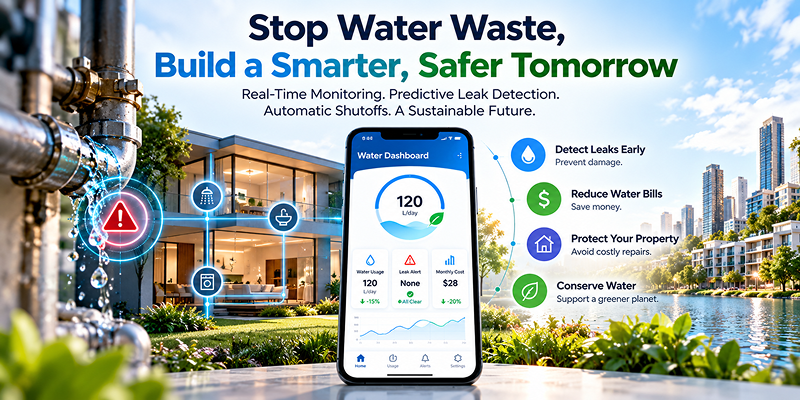
Save up to 30% on Water Bills
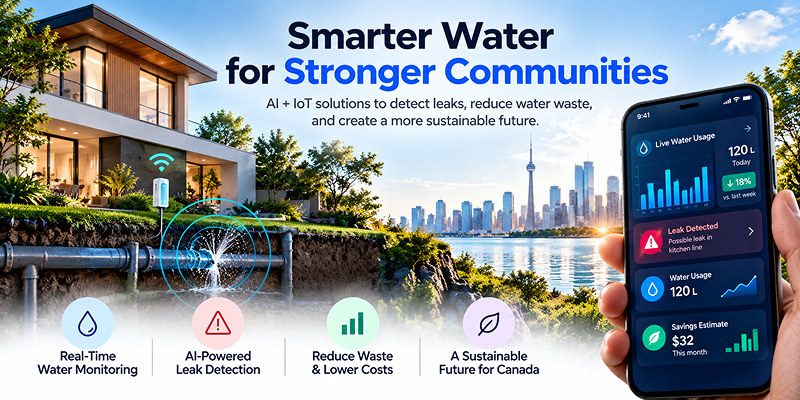
 Smart IoT Water Management
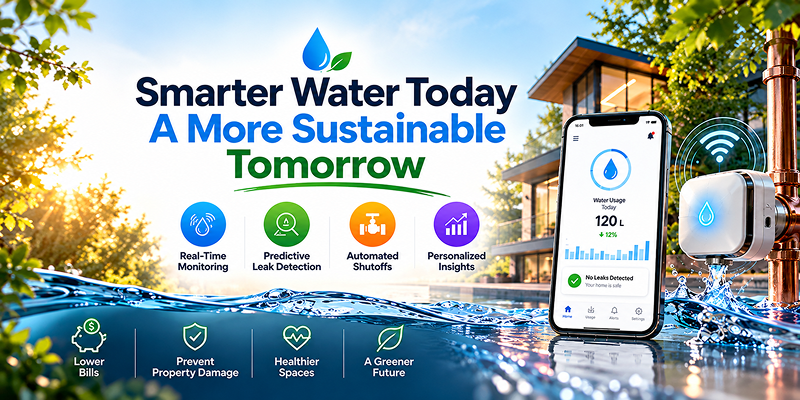
 Real-Time Monitoring & Alerts
 Prevent Costly Leak Damage
Every Drop Smarter for a Greener Tomorrow


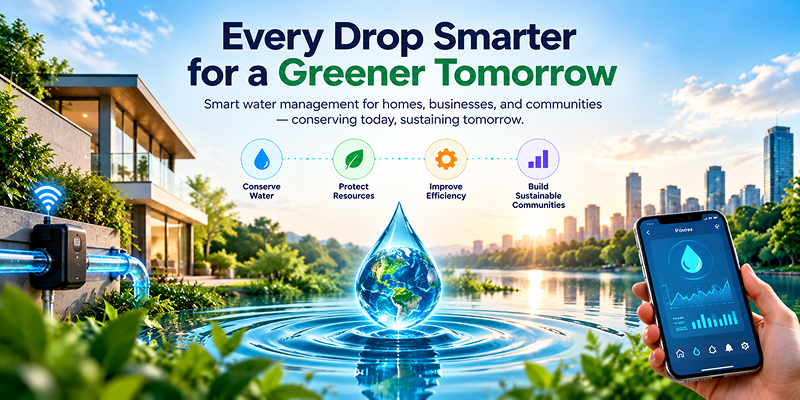
Water is one of our most valuable natural resources, supporting homes, businesses, communities, and ecosystems. As water demand grows and sustainability becomes increasingly important, managing water efficiently is essential for protecting resources and building a greener future. Smart water management combines technology, data, and informed decision-making to help people understand water usage, identify opportunities to reduce waste, and manage water systems more effectively. From connected monitoring devices to usage insights and automated systems, modern solutions are making water management more accessible and practical.
Why Smart Water Management Matters
Traditional water management often relies on periodic meter readings and manual inspections. While these methods remain useful, they may provide limited visibility into changing consumption patterns or unexpected water loss between inspections.
Smart water management can provide more frequent information about water usage and system conditions. This improved visibility helps homeowners, businesses, and communities understand how water is being consumed and identify areas that may require attention.
By making water data easier to access and interpret, connected solutions can support more informed decisions and encourage responsible water use.
Understanding Water Usage Through Real-Time Monitoring
Knowing how much water is being used is an important first step toward improving efficiency. Smart monitoring technologies can collect water usage data and present it through digital dashboards, helping users understand consumption patterns over time.
For homes, this information can highlight changes in everyday water use. Businesses may use consumption data to review operational requirements, while communities can benefit from a broader understanding of shared water resources.
When users can see usage trends more clearly, they are better positioned to identify unusual patterns, review their habits, and explore opportunities to reduce unnecessary consumption.
Using Smart Technology to Identify Water Waste
Water waste can occur through unnoticed leaks, inefficient equipment, or avoidable consumption. Even small issues may contribute to significant water loss when they continue over time.
Connected water monitoring systems can help identify unusual usage patterns or changes in monitored conditions. Depending on the sensors and features available, alerts may notify users when further investigation is needed.
Timely awareness can help property owners respond more quickly and arrange inspections or repairs where appropriate. Although monitoring technology cannot guarantee the detection of every leak, it can provide valuable information that supports more proactive water management.
Making Water Management Easier for Homes and Businesses
Different properties have different water management needs. Residential users may want to understand household consumption, while businesses may need better visibility into operational usage and equipment performance. Communities may also need coordinated approaches to managing shared infrastructure.
Smart water solutions can help bring relevant information into a more accessible digital experience. Connected devices, monitoring dashboards, and automated notifications can reduce dependence on manual checks and make important information easier to review.
The most effective approach is one that matches the property's requirements, provides reliable data, and presents insights in a way that users can understand and act upon.
How Automation Supports Water Efficiency
Automation can simplify routine monitoring and help users respond to changing water conditions. When supported by suitable devices and configurations, automated alerts can notify users about selected thresholds or unusual activity.
This can reduce the need to constantly check readings manually and help bring attention to potential problems sooner. Automated monitoring may also support more consistent oversight of water systems across residential and commercial properties.
Automation works best when combined with appropriate installation, clear alert settings, regular maintenance, and a process for investigating potential issues.
Protecting Resources Through Sustainable Water Practices
Technology is only one part of sustainable water management. Everyday decisions and ongoing maintenance also play an important role in conserving water.
Fixing leaks promptly, choosing water-efficient fixtures, maintaining equipment, and reviewing consumption patterns can help reduce unnecessary water use. Businesses and communities can also establish water conservation goals and monitor progress over time.
By combining practical conservation habits with better information, individuals and organizations can take a more structured approach to protecting water resources.
Building Smarter and More Sustainable Communities
Sustainable water management requires cooperation between individuals, property owners, businesses, and communities. Better access to water information can help these groups understand their needs, identify opportunities for improvement, and make more informed decisions about infrastructure.
Connected water technologies can contribute to this effort by improving visibility and supporting more proactive monitoring. As smart infrastructure continues to develop, these tools may become increasingly valuable for managing water efficiently across different types of properties.
A sustainable approach focuses not only on technology but also on reliability, accessibility, responsible consumption, and long-term resource protection.
Conclusion: Every Drop Counts
A greener future begins with understanding the value of water and using it responsibly. Smart water management can help homes, businesses, and communities gain better visibility into consumption, identify potential inefficiencies, and make informed decisions about their water systems.
Through connected monitoring, useful data, proactive alerts, and sustainable practices, water management can become more efficient and easier to oversee. While no single solution eliminates every challenge, combining technology with responsible water use can make a meaningful contribution to resource conservation.
Aquanome's mission reflects this goal: making water management smart, efficient, and sustainable so individuals, homes, businesses, and communities can protect valuable resources and work toward a future where every drop counts.