
 Save up to 30% on Water Bills
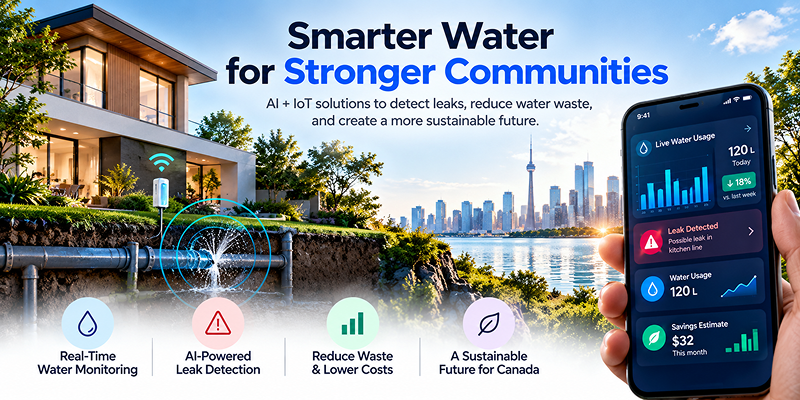
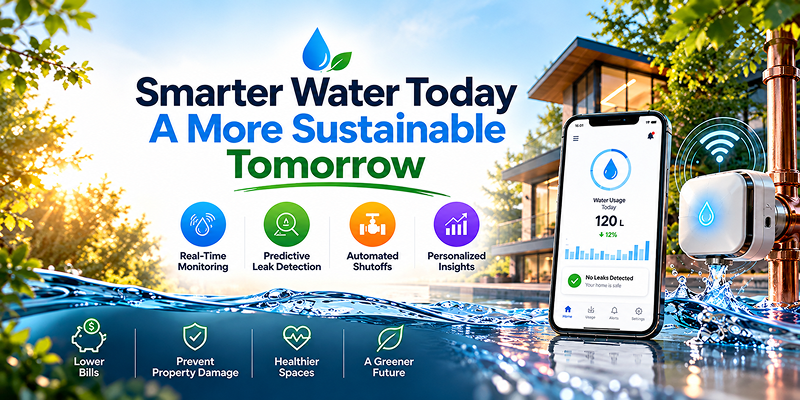
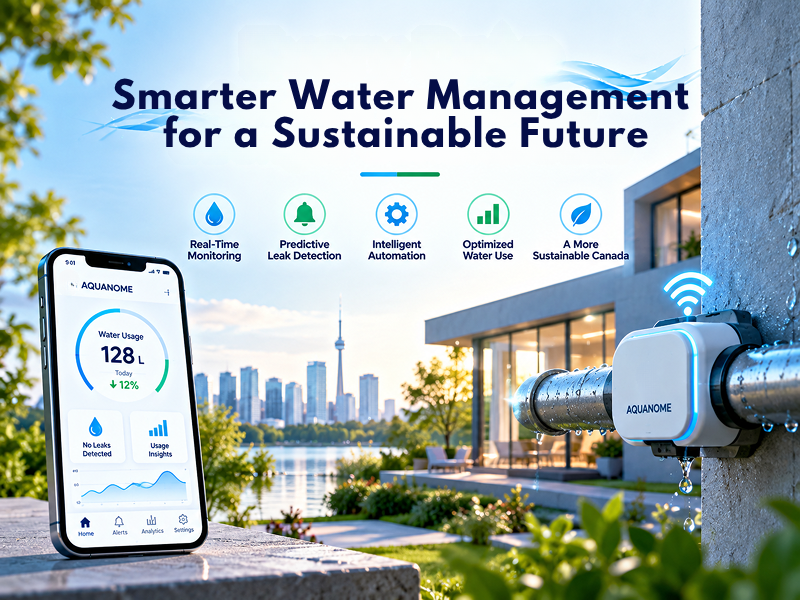
 Smart IoT Water Management
 Real-Time Monitoring & Alerts
 Prevent Costly Leak Damage
Water Management From Reactive Crisis to Proactive Control


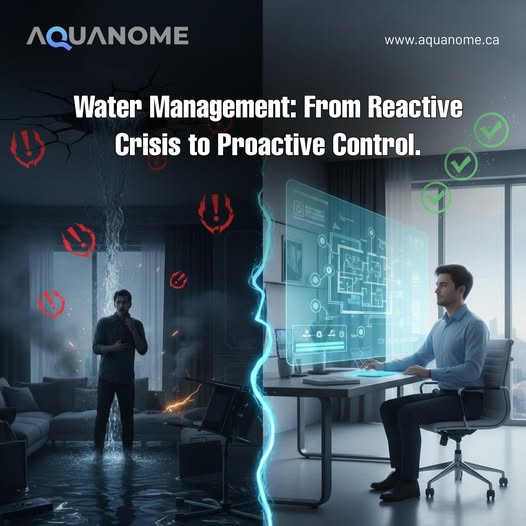
Water problems rarely announce themselves early. Most leaks inefficiencies and system failures remain hidden until they cause visible damage. By the time water is pooling on floors or bills spike unexpectedly the damage is already done.
For decades water management has been reactive. Action is taken only after a crisis occurs.
Today that approach is changing.
The Reality of Reactive Water Management
Reactive water management relies on manual checks delayed alerts and visible signs of failure. This method leaves long gaps between the start of a problem and the moment it is addressed.
Common outcomes include
Unexpected water damage
High repair costs
Operational downtime
Wasted water and energy
Once water escapes its intended path the consequences multiply quickly.
Why Proactive Control Matters
Proactive water management focuses on prevention rather than response. It aims to detect irregularities early before they become emergencies.
By continuously observing usage patterns pressure changes and flow behavior potential issues can be identified long before visible damage appears.
This shift transforms water systems from passive infrastructure into actively managed assets.
From Guesswork to Insight
Modern water management is no longer based on assumptions or periodic inspections. Continuous data replaces guesswork.
When water systems are monitored in real time decision making becomes faster and more accurate. Small anomalies can be addressed early reducing risk and long term cost.
Preventing Damage Instead of Managing It
The most effective solution to water damage is preventing it altogether.
- - Proactive systems focus on
- - Early anomaly detection
- - Timely alerts
- - Automated response
- - Consistent monitoring
This approach minimizes disruption protects property and reduces unnecessary water loss.
A Smarter Way Forward
As buildings infrastructure and cities become more complex water management must evolve with them.
Moving from reactive crisis management to proactive control is not just an upgrade. It is a necessary shift toward efficiency resilience and sustainability.
Final Thoughts
Water damage and waste are rarely sudden events. They are the result of small issues left unnoticed over time.
Proactive control changes the outcome by identifying problems early and preventing escalation.
The future of water management lies in awareness anticipation and intelligent control.