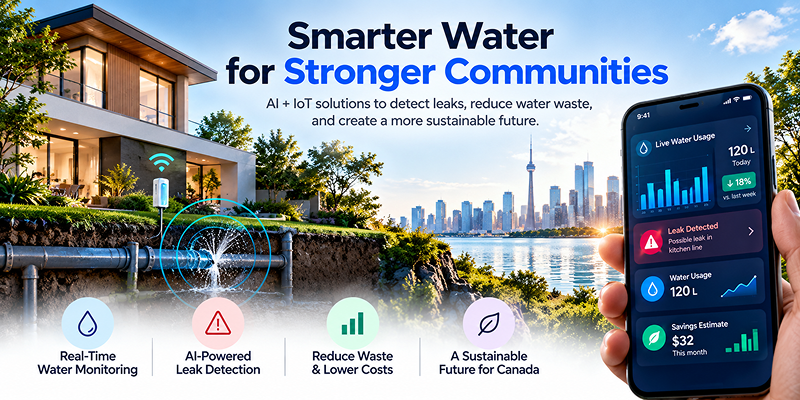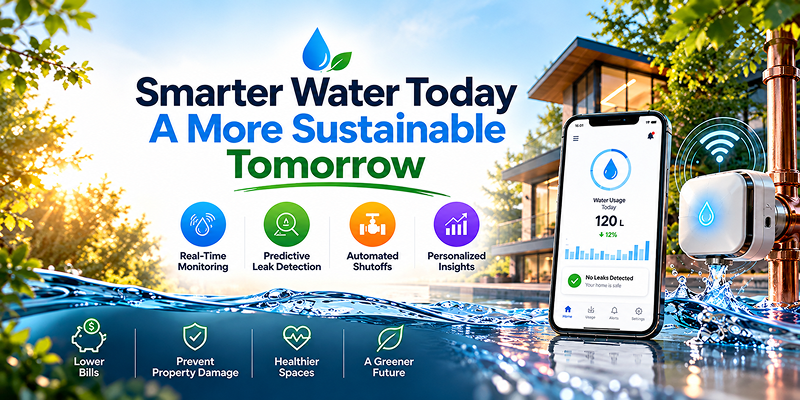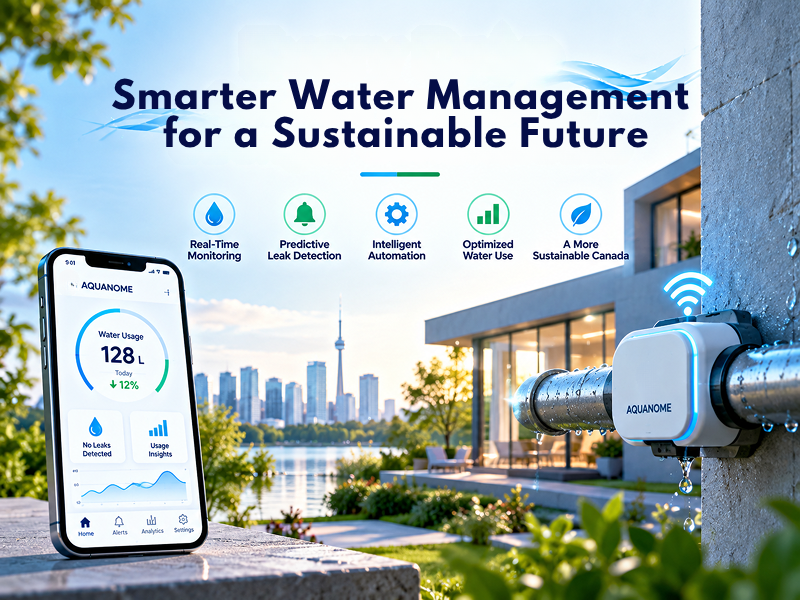

 Save up to 30% on Water Bills
 Smart IoT Water Management
 Real-Time Monitoring & Alerts
 Prevent Costly Leak Damage
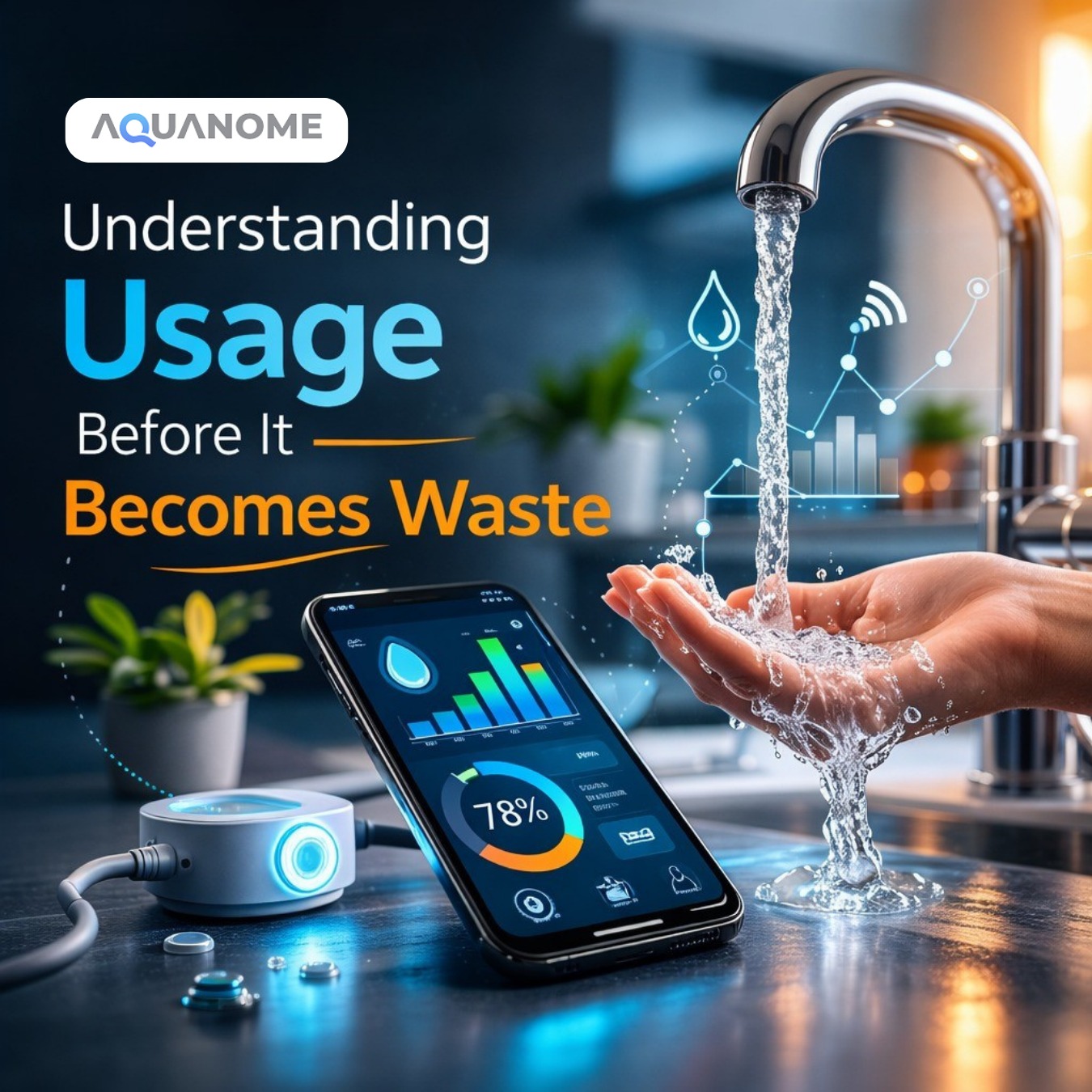
Understanding Usage Before It Becomes Waste


Every home has a water story. From the moment a faucet is turned on in the morning to the last dishwasher cycle of the night, water flows continuously through pipes, appliances, and fixtures. Yet most homeowners rarely think about how this resource moves through their living space.
In many cases, water usage remains invisible until a problem occurs. A sudden spike in the water bill or visible water damage may reveal that something has been wrong for some time. Unfortunately, by the time these signs appear, large amounts of water may already have been wasted.
Understanding how water is used inside a home is the first step toward managing it more efficiently. Modern water monitoring systems make this possible by providing real-time insights into consumption patterns.
These systems work by placing sensors within the plumbing infrastructure to measure water flow and pressure. The collected data is sent to a central platform where it is analyzed and presented in an easy-to-understand format. Homeowners can view detailed information about how much water is being used, when it is being used, and where potential issues might exist.
One of the most common causes of water waste is small leaks that go unnoticed. A dripping faucet may seem insignificant, but even a slow drip can waste thousands of liters of water each year. Similarly, a leaking toilet valve or faulty irrigation system can quietly increase water consumption without obvious warning signs.
Real-time monitoring allows homeowners to detect these problems early. When unusual water activity is detected, the system sends alerts so the issue can be investigated immediately. This proactive approach helps prevent both water waste and property damage.
Another benefit of monitoring technology is behavioral awareness. When people can see their daily water consumption, they often become more conscious of their habits. Simple actions—such as shortening showers, fixing leaks promptly, or upgrading inefficient fixtures—can lead to meaningful reductions in usage.
Water efficiency also has financial benefits. Lower water consumption means lower utility bills, making monitoring systems a practical investment for homeowners looking to reduce expenses over time.
Beyond individual households, responsible water usage contributes to broader environmental sustainability. Freshwater resources are limited, and many regions are already facing water stress. Efficient management at the household level plays an important role in preserving these resources.
Innovative solutions developed by organizations like Aquanome Inc. help bring this level of awareness and control to modern properties. By combining sensor technology with intelligent analytics, these systems give homeowners the information they need to manage water more effectively.
The story of water in a home should not remain hidden inside pipes. With the help of smart technology, homeowners can finally understand how water flows through their living space—and how to ensure it is used responsibly.