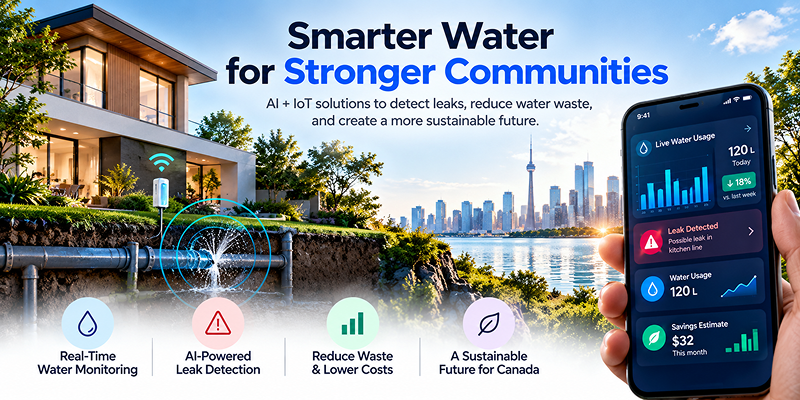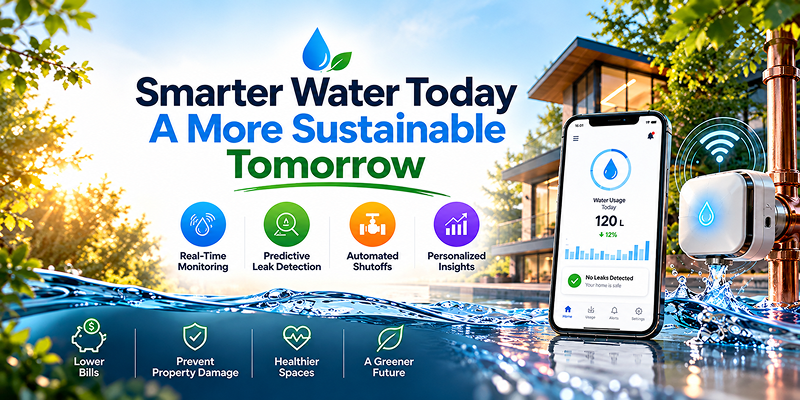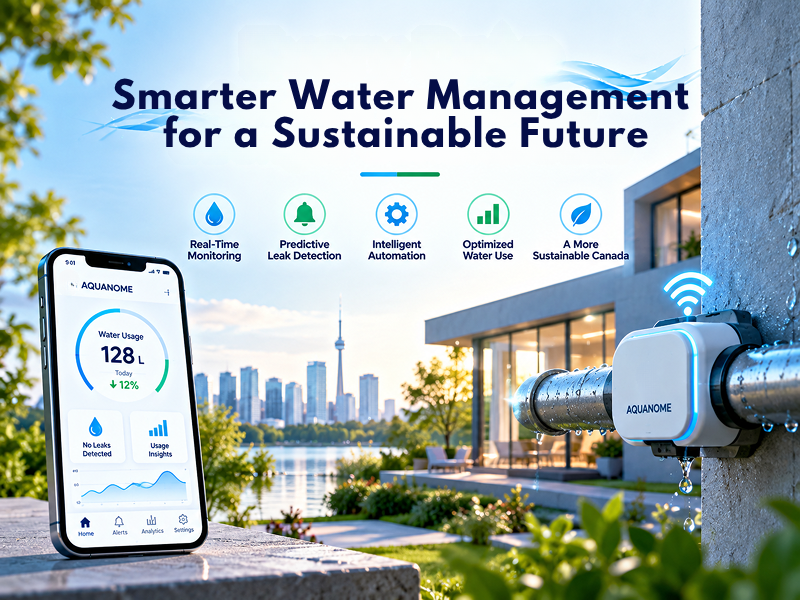

 Save up to 30% on Water Bills
 Smart IoT Water Management
 Real-Time Monitoring & Alerts
 Prevent Costly Leak Damage
Smart Water Management - The Future of Saving Every Drop


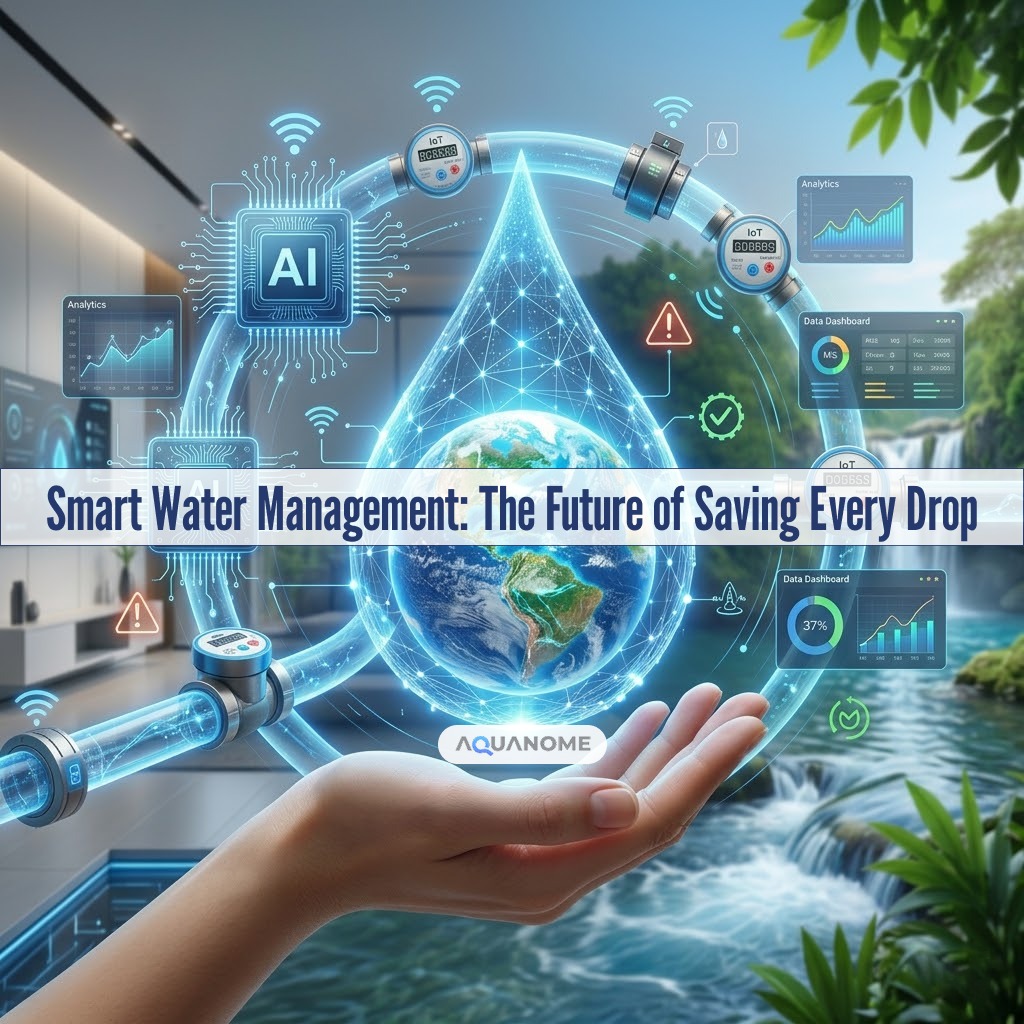
Water is one of the most valuable resources, yet billions of litres are wasted every year due to leaks, inefficiencies, and lack of monitoring.
Smart water management systems are transforming how we use and conserve water. With advanced technologies like AI and IoT, platforms such as Aquanome are helping users monitor, control, and optimize water usage in real time.
As water scarcity becomes a global concern, adopting intelligent solutions is no longer just a choice — it is a necessity.
The Problem of Water Waste
Water loss is a major issue across homes and businesses. Undetected leaks and inefficient systems lead to higher utility bills, property damage, increased environmental impact, and wasted resources.
In many cases, small leaks remain unnoticed for weeks or months, gradually causing structural damage and unnecessary expenses. For businesses, this can result in operational disruptions and compliance issues.
Without proper monitoring, these problems often go unnoticed until significant damage occurs, making prevention much more expensive than proactive management.
What is Smart Water Management
Smart water management uses connected devices and intelligent systems to track water usage, detect leaks, and automate responses.
By combining real-time data and predictive analytics, users gain complete control over their water systems. This allows them to identify inefficiencies, optimize consumption, and respond instantly to potential issues.
It shifts water management from a reactive approach to a proactive and data-driven system.
Key Features of Smart Water Systems
Real-Time Monitoring
Track water usage instantly and identify unusual patterns. Continuous monitoring ensures that even minor irregularities are detected early.
Predictive Leak Detection
AI detects potential leaks before they become serious problems, helping prevent costly repairs and damage.
Automated Shutoff Systems
Prevent damage by automatically stopping water flow during leaks, reducing risk and ensuring safety.
Usage Insights
Receive personalized data and recommendations to improve efficiency and reduce unnecessary water consumption.
How Smart Systems Improve Efficiency
Smart water systems not only detect problems but also help optimize daily usage. By analyzing consumption patterns, they identify areas where water is being overused or wasted.
This allows users to make informed decisions, reduce consumption, and improve overall efficiency without compromising convenience.
Benefits for Homes and Businesses
Smart water systems help reduce costs, prevent damage, and improve sustainability.
Homeowners can avoid expensive repairs, protect their property, and maintain a safe living environment. Businesses can manage large-scale water usage more efficiently, reduce operational costs, and ensure compliance with environmental standards.
Additionally, these systems provide peace of mind by offering continuous monitoring and instant alerts.
Environmental Impact and Sustainability
Water conservation is essential for protecting natural resources and supporting a sustainable future.
By reducing water waste, smart systems help lower environmental impact and promote responsible usage. Even small improvements in efficiency can lead to significant savings when applied across multiple homes and businesses.
Smart water management plays a key role in building eco-friendly communities and reducing strain on water resources.
The Role of Technology in Water Management
Advancements in AI and IoT are making water systems more intelligent and efficient. These technologies enable automation, predictive analysis, and real-time decision-making.
As technology continues to evolve, smart water systems will become even more advanced, offering better insights, improved accuracy, and enhanced user experience.
Future of Smart Water Solutions
The future of water management lies in fully connected and automated systems. Homes and businesses will rely on intelligent platforms to manage resources efficiently and prevent waste.
Integration with smart homes, mobile apps, and cloud-based systems will make water management more accessible and user-friendly.
Conclusion
Smart water management is no longer optional — it is essential for a sustainable future. With AI-powered platforms like Aquanome, every drop can be monitored, protected, and optimized.
By adopting smart solutions today, individuals and businesses can reduce costs, prevent damage, and contribute to a more sustainable world.