
 Save up to 30% on Water Bills
 Smart IoT Water Management
 Real-Time Monitoring & Alerts
 Prevent Costly Leak Damage
AI-Powered Smart Water Management for a Sustainable Future


Water is one of the most precious resources on Earth — yet it’s often taken for granted. With rising global demand, aging infrastructure, and increasing climate pressures, traditional water management systems struggle to keep up. But there’s a solution on the horizon: AI-powered smart water management. This innovative approach blends cutting-edge technology with sustainability goals, creating a future where water is used more efficiently, waste is minimized, and communities thrive.
In this blog, we’ll explore how AI-driven water management is transforming the way we monitor, conserve, and protect our most vital resource.
Why Water Management Matters More Than Ever
Water scarcity is no longer a distant concern — it’s happening now. According to the United Nations, nearly half of the world’s population will live in water-stressed regions by 2030. At the same time, water infrastructure in many countries is outdated, leading to leaks, inefficient usage, and costly damage. Traditional water systems often provide reactive responses to problems — detecting issues only after serious damage occurs.
This is where smart water management comes into play.
What Is AI-Powered Smart Water Management?
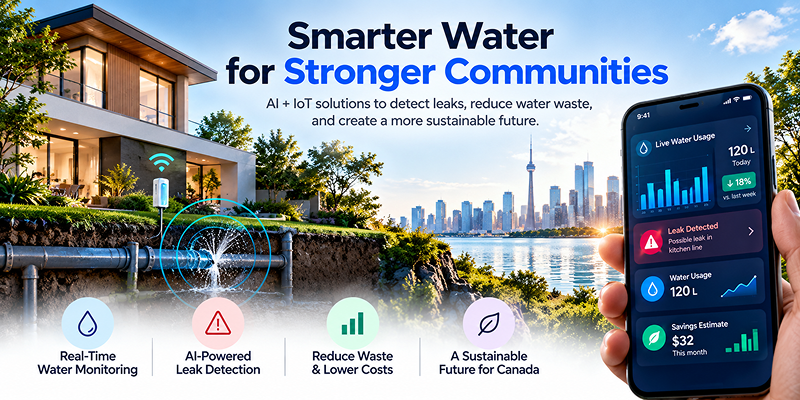
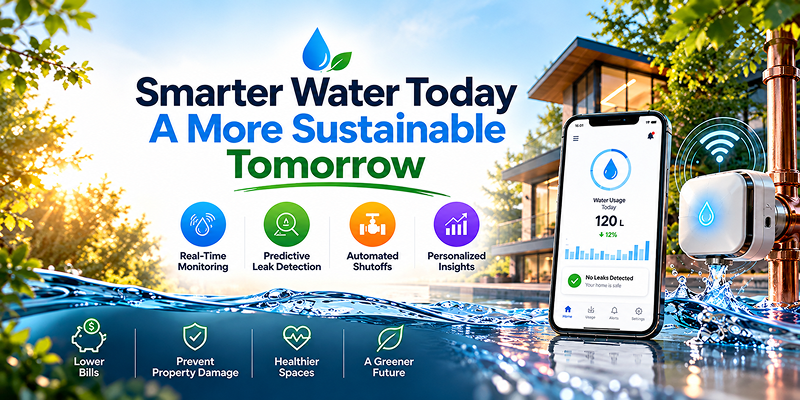
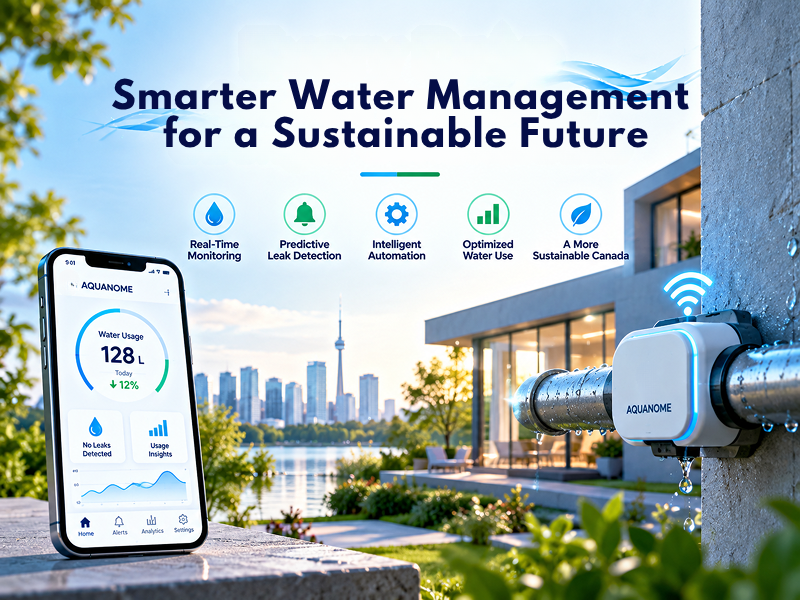
AI-powered smart water management uses artificial intelligence, machine learning, and IoT sensors to monitor water systems in real time. Rather than relying on manual checks or historical data alone, these systems constantly analyze water flow, pressure changes, and usage patterns to detect problems before they become emergencies.
Here’s how it works. Sensors installed throughout the system capture real-time data. AI analyzes patterns and identifies abnormalities that indicate leaks or inefficiencies. Automated alerts notify users and operators so immediate action can be taken. Predictive insights help prevent future issues, optimizing water use and system health.
Key Benefits of AI-Driven Water Management
1. Early Leak Detection & Damage Prevention
AI can spot even the smallest indicators of a leak — long before visible signs appear. Early detection means reduced water loss, less structural damage, and lower repair costs.
2. Cost Savings for Homes and Businesses
Water waste translates directly into higher bills. Smart water systems help cut unnecessary use, monitor consumption trends, and alert you to unusual activity that might be costing extra.
3. Supports Sustainability Goals
By minimizing waste and optimizing water use, AI-powered management contributes to a more sustainable future — conserving water for generations to come. Governments, organizations, and environmentally conscious homeowners all benefit from this data-driven approach.
4. Actionable Insights & Analytics
These smart systems don’t just detect problems; they help you understand them. Powerful dashboards show usage patterns, seasonal trends, and efficiency opportunities — empowering better decision-making and long-term planning.
5. Enhanced Infrastructure Monitoring
Smart water technology can support entire communities — from individual homes to commercial buildings and municipal systems. Continuous monitoring protects infrastructure and builds resilience against failures.
How AI Smart Water Systems Work in Everyday Life
Imagine this scenario. It’s early morning and a pipe in your home starts leaking slowly due to a hairline crack. In the past, this might go unnoticed for days — causing water damage and higher bills. But with AI-powered monitoring, sensors detect abnormal pressure changes. The AI system flags the anomaly. You receive an instant alert on your phone. You fix the problem before it turns into a disaster.
This proactive model changes everything — moving us from reactive repairs to preventive protection.
Why This Technology Is the Future of Water Management
AI-powered smart water systems are more than a trend — they represent a shift in how we value and use our natural resources. As climate challenges increase and sustainable development becomes essential, intelligent solutions like this will play a central role.
With real-time decision support, predictive analytics, automated alerts, and energy and water conservation benefits, smart water management puts control back into the hands of users and communities alike.
Final Thoughts: A Sustainable Future Starts Today
Water sustainability isn’t just an environmental goal — it’s critical for economic stability, public health, and quality of life. AI-powered smart water management paves the way for efficient usage, proactive protection, and responsible conservation.
Whether you’re a homeowner, business owner, or community leader, embracing intelligent water management technology isn’t just smart — it’s essential for building a resilient and sustainable future.
Let’s protect our water, prevent waste, and use innovation to secure tomorrow.